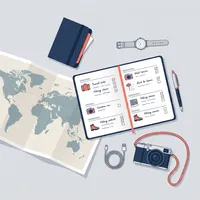
The Master Planner
plannerYour trip prep includes a spreadsheet with tabs. You've already researched which museum is least crowded on Tuesday mornings, which restaurant requires reservations six weeks out, and how long the walk between stops takes — including a buffer for coffee. The people who travel with you always say: 'We didn't waste a single hour.' You bring that same organized energy to everyday life: your calendar is color-coded and you're the friend everyone calls when they need someone to make the plan actually happen. The honest flaw is that when plans fall apart — and they always do — you feel it harder than anyone else. A closed restaurant isn't a minor detour; it's a crack in the whole structure. Your growth edge is building empty space into your itineraries on purpose. Some of the best travel memories come from moments you didn't plan. Perfection is your default, but flexibility is your frontier.
Organized
Efficient
Responsible
Leadership
The Luxury Connoisseur
luxury
Travel isn't about how far you go — it's about how well you rest when you get there. You quietly check the upgrade availability at check-in, you know the difference between a good pillow and a great one, and a bad mattress can genuinely ruin your week. Some people think you're high-maintenance; you think you're just honest about what makes a trip worth taking. And you're right — the experiences you curate for yourself are genuinely unforgettable. In your everyday life, you bring that same discernment: you'd rather have one exceptional meal than three mediocre ones. People secretly love traveling with you because the hotels are always perfect and the restaurant picks never miss. The growth area is flexibility. When the luxury option isn't available — when the only room left has a lumpy bed — you feel it more intensely than most. Learning to find beauty in the rough edges, to appreciate a stunning sunset from a plastic chair, is what turns refined taste into true sophistication.
The Free-Spirited Backpacker
backpacker
Your best travel moments start in alleys that aren't on any map. You can show up in a new city with no hotel booked and feel excited rather than anxious, and somehow 'I'll figure it out when I get there' always works out. That's not luck — it's a genuine skill. You know how to read a place, sense which street to turn down, and turn an unplanned moment into the story you'll tell for years. In your broader life, that same instinct applies: you're comfortable with uncertainty in a way that genuinely unsettles the planners around you. You make friends in hostels at midnight, say yes to invitations that scare most people, and you've probably eaten something you couldn't identify and loved it. The honest challenge is that spontaneity can sometimes look like avoidance — moving on before you've fully absorbed the last place. Your growth edge is learning that some of the best adventures happen when you stay long enough to really know a place. Freedom isn't always about the next destination.